What You Need to Know:
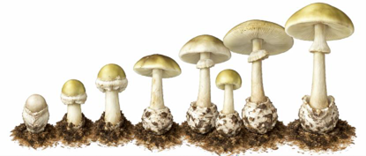
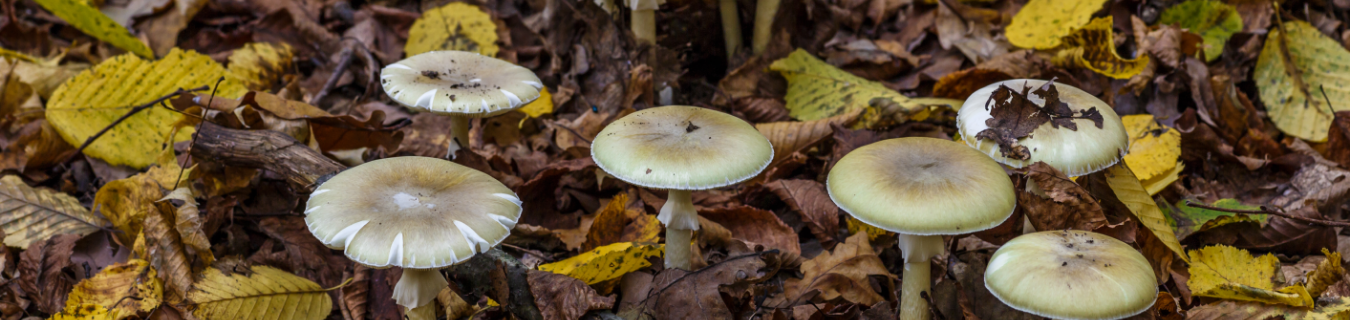
California is experiencing an unprecedented outbreak of severe illness, liver failure, and deaths from people accidentally picking and eating poisonous wild mushrooms, specifically Death Cap and Western Destroying Angel mushrooms.
Sacramento County Public Health (SCPH), in alignment with the California Department of Public Health (CDPH), is urging residents not to pick or eat wild mushrooms as the risk of potentially deadly amatoxin poisoning is high. Since Death Cap (Amanita phalloides) and Western Destroying Angel (Amanita ocreata) are easily confused for safe-to-eat lookalike mushrooms, all mushroom foraging should be avoided.
SACRAMENTO — SCPH confirms 3 recent cases of amatoxin poisoning in Sacramento County caused by people accidentally picking and eating Death Cap and/or Western Destroying Angel mushrooms. All three cases are hospitalized for treatment.
This comes amidst a continuing statewide outbreak linked to the consumption of wild, foraged mushrooms. There’s been reports of severe liver damage in both children and adults, resulting in four adult deaths and at least four liver transplants statewide to date.
Between November 18 and May 14, 2026, the California Poison Control System (CPCS) has identified 49 cases across Northern California and the Central Coast, spanning regions from Sonoma to San Luis Obispo. Affected individuals range in age from 19 months to 67 years and include family groups and individual cases.
SCPH and Sacramento County Regional Parks remind residents that wild mushrooms can be poisonous even if they resemble edible varieties and remain toxic even after cooking, boiling, freezing or drying.
“With poisonings continuing to increase across California, we want residents to understand that foraging wild mushrooms carries significant risk,” said Sacramento County Public Health Officer Dr. Olivia Kasirye. “Toxic mushrooms can be difficult to distinguish from edible varieties and can cause severe illness or death. The safest choice amid this ongoing situation is to avoid wild mushroom foraging entirely.”
What SCPH Is Doing:
Sacramento County Public Health is coordinating with CDPH and California Poison Control on case investigation, tracking and public outreach. SCPH is sharing state-developed educational materials and reinforcing statewide messaging to reduce exposure during this high-risk season.
What Residents Can Do:
Avoid picking and eating wild mushrooms during this high-risk season when Death Cap mushrooms are abundant. Death Cap mushrooms are still poisonous even after cooking, boiling, freezing or drying.
Purchase mushrooms from trusted grocery stores and retailers and exercise caution when buying mushrooms from street vendors.
Keep children and pets away from wild mushrooms.
Seek help immediately if you or someone you know has eaten a poisonous mushroom. Contact the CPCS hotline: 1-800-222-1222. Do not wait for symptoms to appear. Treatment is more difficult once symptoms start.
Initial symptoms, such as watery diarrhea, nausea, vomiting, abdominal pain, and dehydration can occur within 6 to 24 hours following ingestion of these toxic mushrooms and usually go away within a day. However, this brief improvement can be deceptive, as patients may still develop serious to fatal liver damage within 48 to 96 hours after eating the mushrooms.
Additional Education Resources:
- CDPH Poisonous Wild Mushrooms Webpage
- CDPH Mushroom Poisonings Health Advisory
- CDPH 1/14 Press Release
- CDPH Poisonous Wild Mushroom Outbreak Dashboard and Map
- CDPH Death Cap Mushroom PSA (English)
- CDPH Death Cap Mushroom PSA (Spanish)
- CDPH Death Cap Mushroom PSA (Mixteco)
- “Wild Mushrooms: Think Before You Pick” Flow Page with materials in English, Spanish, Mixteco, Chinese, Tagalog, and Vietnamese