This month, Sacramento County’s Child Protective Services (CPS) is recognizing the dedicated families, community members and staff who ensure children have loving, permanent homes. September is National Kinship Care Month. In Sacramento County, CPS works through its Kinship Connection approach to help children remain connected to the people who know and love them.
“Kinship is about so much more than placement,” said Melissa Lloyd, CPS Deputy Director. “It is about making sure children and families have meaningful connections to the people who can support them throughout their involvement with CPS — and throughout their lives.”
Kin can include relatives and extended family, as well as people who may not be biologically related to a child but are important members of the child's support system. Depending on a family’s situation, a kin member could be a close neighbor, a coach, a fellow tribe member or a long-time family friend.
These connections can provide children with stability, a sense of belonging, family and cultural identity, and support. When a child cannot safely remain at home, CPS works to identify family members and other supportive adults who may be able to provide a safe and stable home that can help preserve relationships, minimize trauma and support a child to remain connected to their family’s culture, traditions and community when appropriate.
The Data Behind Kinship Month:
46% - The number of children within Sacramento County’s CPS system who are currently placed with kin.
Part of kinship culture involves putting CPS resources toward improving family connections and finding ways to keep children in permanent, safe homes. Sacramento County has made significant progress in placing children in out-of-home care with kin. Currently, 46% of children in out-of-home care are placed with kin. The number reflects the ongoing work of CPS staff to identify family members, engage families and build connections.
“Every family member you identify, every conversation you have, and every connection you make contributes to that number — and, more importantly, contributes to a child's experience,” Melissa said.
Kinship is more than a September focus
While September provides an opportunity to highlight kinship, the County's Kinship Connection work continues throughout each year.
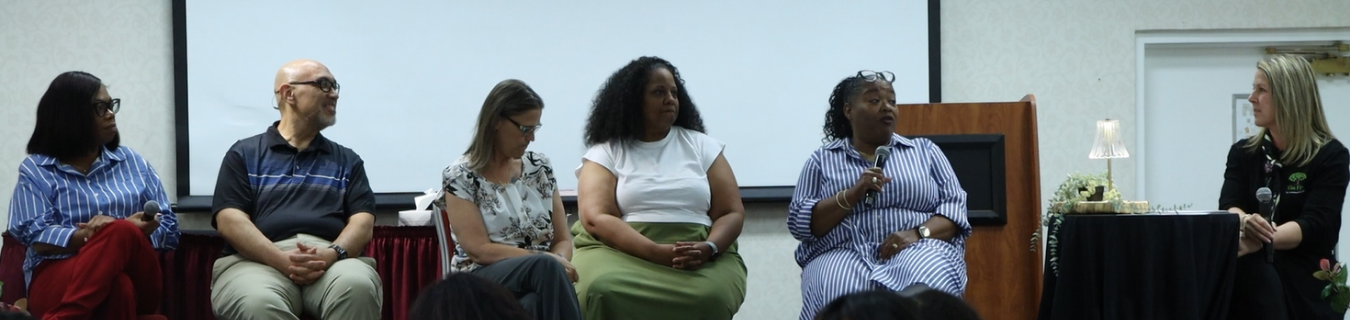
This past spring, Sacramento County CPS held its second annual Kinship Town Hall to highlight the importance of kinship connections and share information with staff. A staff panel featuring people with lived experience was a highlight of the event, allowing participants to hear firsthand about the importance of belonging and ongoing support.
CPS also plans to continue sharing stories that demonstrate how kin-focused work can positively affect children and families.
These stories can show how identifying a relative, involving an important adult or strengthening an existing relationship can help a child feel connected and supported.
Connections that can last a lifetime
“We are helping build the network of people who can be there for them.”
Kinship connections can extend well beyond a child's time in the child welfare system.
“A phone call to a relative. A conversation with a parent about family. Taking the extra step to identify someone who may be an important connection. Challenging an assumption. Asking, ‘Who else can be there for this child?’ Those moments may seem small during a busy workday, but they can change a person's life,” Melissa said.
The relationships created and strengthened through kinship work can become the people a child turns to for birthdays, graduations, holidays, milestones and other important moments throughout life.
“We are not simply helping families and children navigate the child welfare system. We are helping build the network of people who can be there for them long after they leave it,” said Melissa.
National Kinship Care Month is a reminder of the importance of those connections — and of the role we can all take on as a community to let children know they are cared for and belong.
Interested in advocating for foster youth and joining kinship culture?
- Get to know the families in your neighborhood and offer to help parents you know
- Learn about resources available for families and spread the word
- Consider becoming a CASA (Court Appointed Special Advocate). CASAs are volunteers who advocate for foster youth or a set of siblings.