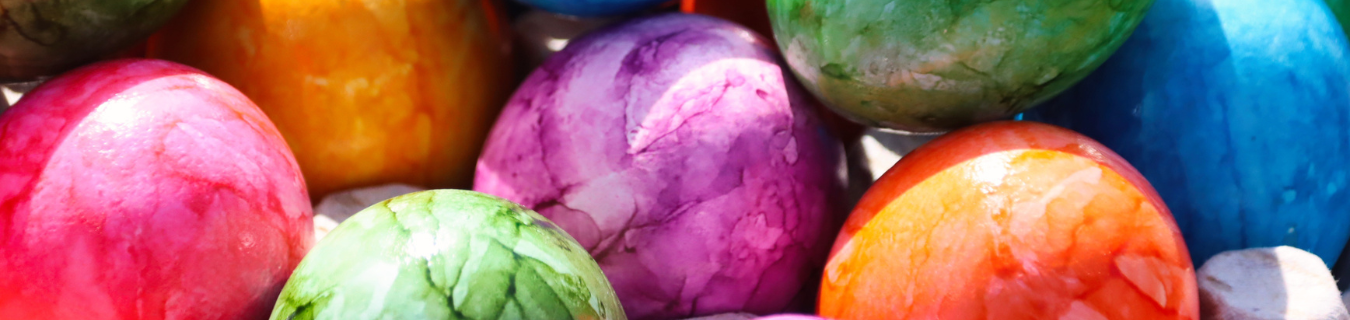
Spring celebrations are here, and whether you're gathering for Easter dinner or a Passover Seder, it’s a time to enjoy good food, family traditions and seasonal favorites. From glazed ham and roasted lamb to brisket and decorated eggs, these meals bring people together—but they also require safe food handling.
A delicious holiday meal can quickly turn into a problem if harmful bacteria like salmonella, listeria or E. coli make an appearance. These germs don’t care how carefully you planned your menu—they’ll show up uninvited if food isn’t handled properly.
Handle raw meat and eggs carefully, avoid cross-contamination, and cook foods to the proper temperature. The safer the prep, the sweeter the celebration.
Five key tips to keep your Easter and Passover meals safe and delicious:
#1. Handle Eggs with Care
- Eggs should not sit out at room temperature for more than 2 hours.
- Keep hard-cooked eggs refrigerated until ready to serve.
- If decorating eggs, use food-grade dye if they will be eaten.
- Consider using plastic eggs for hunts to avoid spoilage.
#2. Prep with Care
- Raw meat and eggs can spread bacteria to hands, surfaces, and utensils.
- Wash hands and surfaces with soap and water for at least 20 seconds.
- Use separate cutting boards for raw meats and ready-to-eat foods.
#3. Cook Thoroughly
- Brisket, lamb, and ham should be cooked to safe internal temperatures:
- Brisket & lamb: 145°F (with a 3-minute rest)
- Fresh ham: 160°F
- Always use a food thermometer to be sure.
#4. Know Your Ham
- Some hams are ready-to-eat, while others require cooking.
- Read packaging carefully to determine proper preparation.
- Ready-to-eat hams can be served cold or reheated.
#5. Handle Leftovers Quickly
- Refrigerate perishable foods within 2 hours.
- Bacteria can grow rapidly in food left out too long.
- Store leftovers properly and reheat thoroughly before eating.
Keep the Celebration Safe
Following basic food safety practices helps ensure your holiday stays focused on celebration—not illness. Keep hot foods hot, cold foods cold, and always wash your hands before, during, and after preparing food.
“It’s not something we always think about, but food safety is really about protecting your entire community,” said Rolando Villareal, EMD Environmental Health Division Chief. “Safe food handling helps prevent foodborne illness and keeps families and gatherings healthy during the holidays.”
For more food safety tips, visit the CDC Food Safety website, check out Sacramento County Environmental Management Department, or call 916-875-8440.