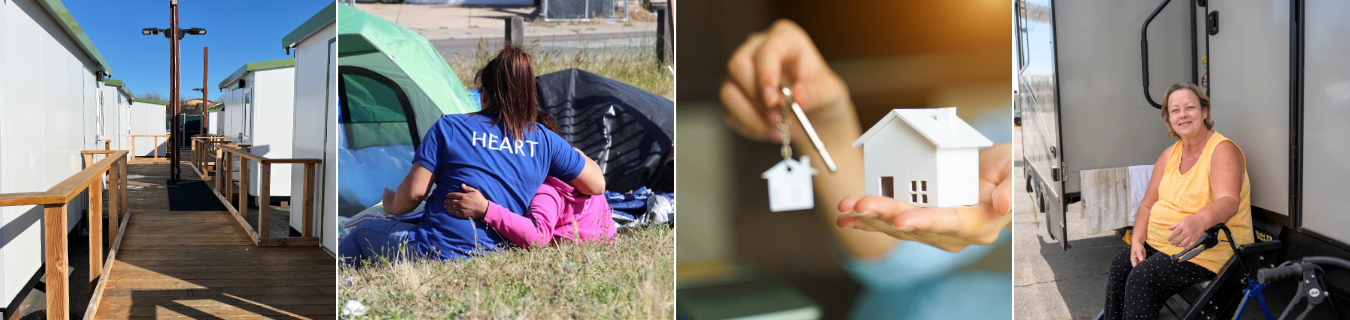
On Tuesday, Aug. 25, the Sacramento County Board of Supervisors heard a comprehensive and meaningful update on the outcomes of key homeless shelters and service programs from fiscal year 25/26. Emily Halcon, the Director of Homeless Services and Housing (DHSH) for Sacramento County, provided a historical lookback at Board policy investment and direction as far back as 2016 that has set investment priorities, project focus and the strategic housing first model staff have focused on the last decade.
The Board also heard from Director of Finance, Chad Rinde, on the process of a forensic audit on countywide spending on homelessness. This audit helps to determine if adequate internal controls exist to evaluate fiscal compliance with contracts and adhere to state and federal standards and ensure that departments are good stewards of public funds.
With the creation of the Department of Homeless Service and Housing in 2023, the County has increased its programs serving the homeless community, increased its full-time employees managing homeless services, and the number of people served annually in County-funded programs.
In this coming fiscal year, DHSH will contract more than $65 million dollars into community-based organizations to operate shelters, outreach and programs that are serving the homeless community in Sacramento County. Many of those partners were in chambers – supporting the work already being done. Several stood at the lectern to provide positive feedback on the County’s investment and partnerships into the community and how valuable the County’s leadership on regional collaboration has been as the homelessness has grown in the last decade.
Data pulled from the Homeless Management Information System (HMIS) from DHSH funded homeless programs and select Behavioral Health Services (BHS) and Department of Child, Family, and Adult Services (DCFAS) shelter programs shows that in Fiscal Year 2025–26, 6,662 unduplicated people were served across outreach, shelter, rehousing, prevention, and transitional housing programs. Despite significant housing barriers, 43% of participants who exited programs transitioned to permanent housing. Prevention and rehousing programs achieved particularly strong permanent housing exit rates of 77% and 78%, respectively.
These outcomes are especially meaningful given the significant vulnerabilities of the people served. Among participant heads of household, 61% were identified as highly vulnerable, meaning they self-reported at least four County-identified vulnerability factors. In addition, 50% of participants reported having no income, while an additional 36% reported annual income below $20,000 a year.
The County also continued to make strong use of its shelter resources – with overall utilization for shellers running the full year at approximately 86%.
Perhaps the most compelling testimony was that of the providers and provider staff. The CEOs of Community Health Works, First Step Communities, CityNet and Brilliant Corners each spoke about the meaningful work their organizations do, specifically with the County, the populations they serve and the trends and outcomes the work the do in Sacramento in experiencing. The passion they all have for the work, the people they serve and for solutions was evident in their voices and the conviction in which they stood with pride and said, “We stand with the County – we’re here as partners.”
Boots on the ground staff from many of these partners also gave public comment on their first-hand experience with clients they serve, those that have been successful and those still on their journey out of homelessness.
Together, these efforts reflect a growing and increasingly aligned system that is serving more people, using available resources effectively, and achieving meaningful housing outcomes for residents with complex needs. It was truly a powerful testimony into the partnerships and collaboration built by the Department of Homeless Services and Housing and a look into future success.
To see the full power point presentation click here.
To review the graphic outcomes and learn more about what programs were included, click here.