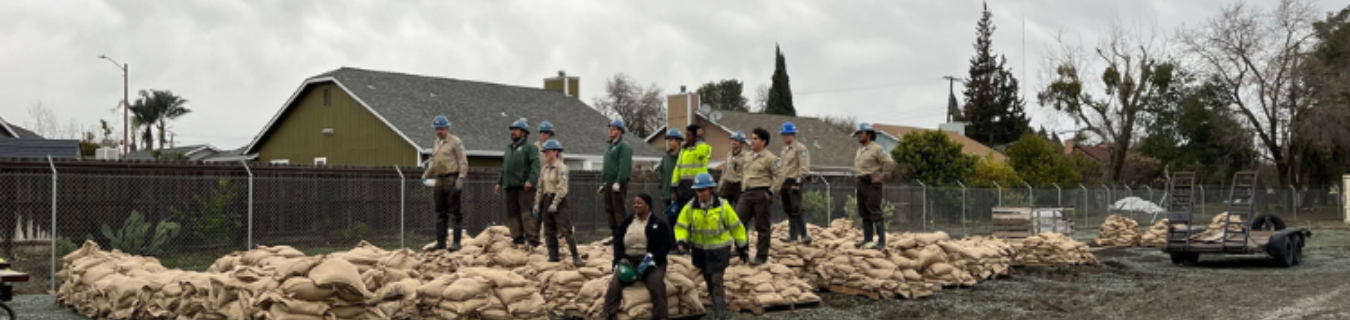
The Sacramento County Office of Emergency Services is proud to recognize National Emergency Management Awareness Month throughout August. The campaign is designed to increase public awareness of the emergency management profession and recognize the dedicated professionals who work every day to help communities, businesses, schools, healthcare organizations and government agencies across Sacramento County prepare for emergencies and disasters.
“Emergency management is often misunderstood as a profession that only responds to disasters,” said Mary Jo Flynn-Nevins, Sacramento County Chief of Emergency Services. “Emergency management isn’t just about reacting; it’s also about planning in advance, coordinating under pressure, and developing lasting resilience.”
Emergency management is the backbone of Sacramento County’s readiness and resilience. Response is only one part of our work, and our role continues long after a crisis ends. We create strong plans that perform under pressure, develop trainings and exercises that reveal gaps, coordinate efforts across agencies, and lead after-action reviews so lessons become improvements. Before, during and after emergencies, we guide recovery, restore essential functions and strengthen preparedness to help Sacramento County grow safer, stronger and more resilient.
Much of this work happens behind the scenes, but it plays an important role in helping Sacramento County prepare for the emergencies that can affect our region — from extreme heat and wildfires to flooding, severe storms and other hazards.
The public is encouraged to learn more about emergency management and the professionals working year-round to keep Sacramento County communities safe.
To learn more about Sacramento County’s Office of Emergency Services, visit their website.
To learn more about disaster preparedness steps you and your family can take, visit SacramentoReady.saccounty.gov.
Make sure to listen to County Conversations, which features Mary Jo as she discusses the role of the County Office of Emergency Services, how the team prepares for disasters and how they coordinate with state, local and federal partners. You can check out the podcast here.